PHOENIX
RPL’S FLAGSHIP LIQUID BI-PROPELLANT ROCKET
Phoenix is Rocket Propulsion Laboratory's liquid rocket. Using a liquid methane and liquid oxygen propellant mixture, Phoenix aims to demonstrate the viability of launch vehicles that use propellants manufacturable on the surface of Mars. Leveraging these resources is crucial to future long-term human exploration and settlement of the Red Planet.
Phoenix will participate in the Friends of Amateur Rocketry's Dollar Per Foot (FAR-DPF) competition in Spring 2027. Following its launch, Phoenix will be reconfigured to use a ethanol and liquid oxygen propellant mixture to facilitate a faster launch cadence.
Technical Specifications
HEIGHT
13 ft / 4.23 m
DIAMETER
8.056 in / 20.5 cm
MAXIMUM SPEED
MACH 1.3
DRY MASS
100 lb / 45.4 kg
NEXT STATIC FIRE DATE
Fall 2026
30,000 ft / 9,144 m
APOGEE HEIGHT
Fawkes Engine
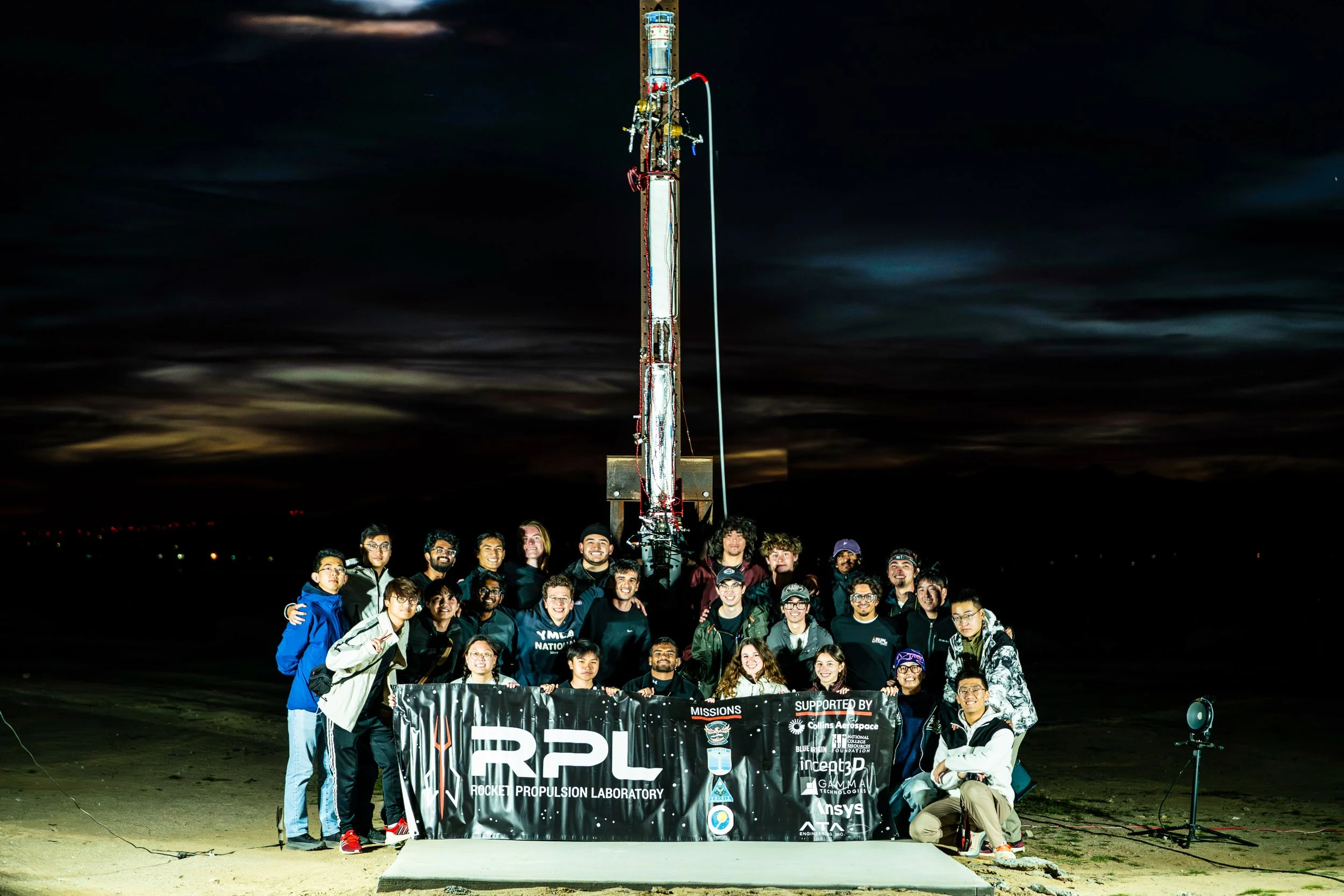
Phoenix will be powered by RPL’s student-developed Fawkes engine. Fawkes will provide 600 lbs of thrust and its chamber temperature will reach 3225 K. At T+15 seconds, Fawkes will accelerate the rocket past the sound barrier, and continue accelerating to Mach 1.3.
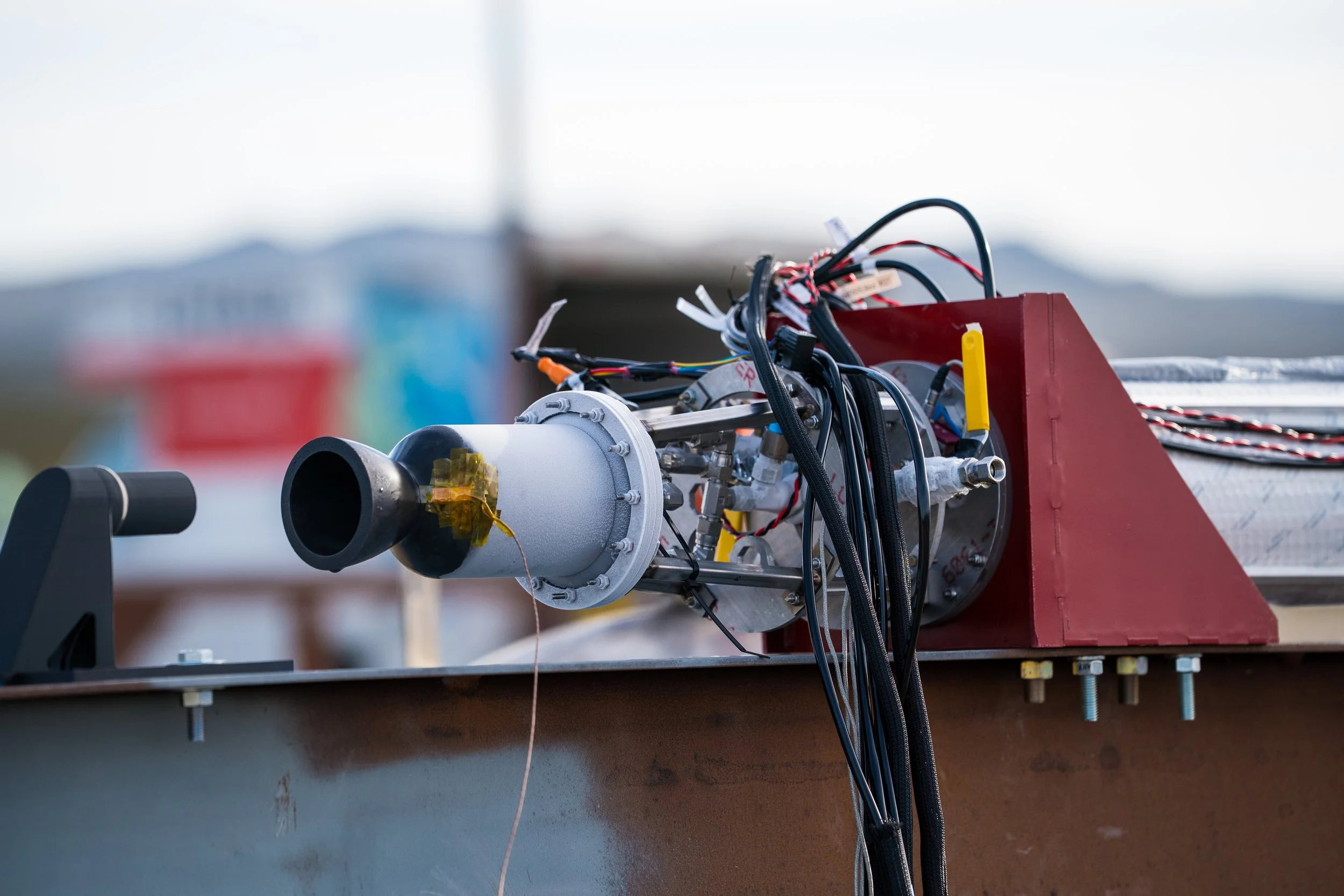
Fawkes Engine Post-Cold Flow Test
PROPELLANT
LOX / LNG
ENGINE CYCLE
Pressure-fed
INJECTOR TYPE
Triplet Impinging
MAXIMUM THRUST
600 lbf
SPECIFIC IMPULSE
190 sec
The Phoenix recovery subteam focuses on the reliable deployment of the vehicle’s parachute system.
The process begins at apogee, where precise nose cone separation initiates the recovery sequence. A drogue parachute is first deployed to stabilize the launch vehicle in an upright orientation and reduce its terminal velocity. Upon reaching an altitude of 1,000 feet, the system deploys the main parachute, decelerating the vehicle to a safe landing velocity to ensure a damage-free touchdown.
Recovery

Recovery Bay and Nosecone
Structures
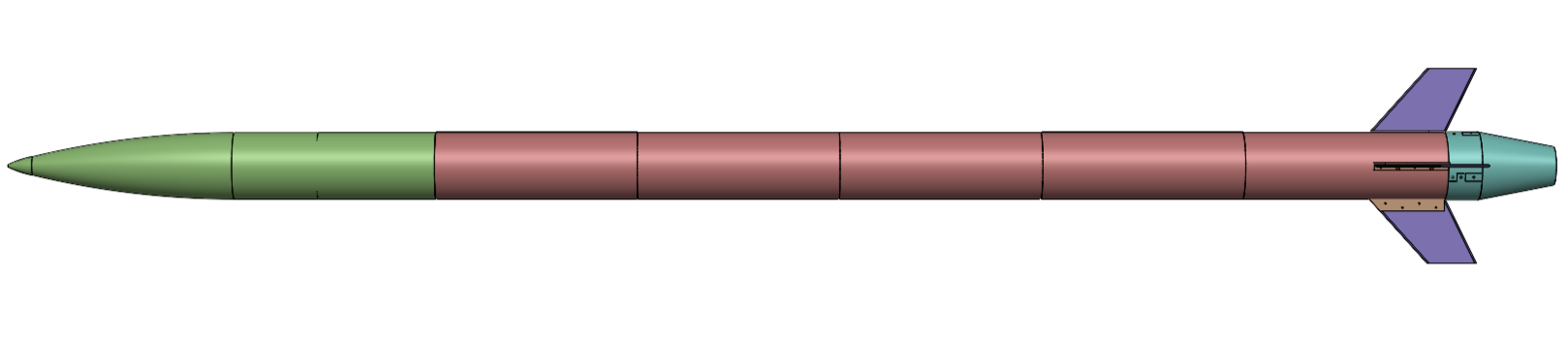
The Phoenix Structures subteam is responsible for the structural integrity of the rocket, ensuring that it is able to safely reach apogee under extreme flight conditions while minimizing the overall weight of the rocket.
Structures is primarily responsible for the design and manufacturing of the internal structural airframe, the aluminum and fiberglass outer aerodynamic shell, the interfaces between the internal structure and all plumbing components, and the fins. Structures must also validate design choices through structural and thermal simulations and utilize flight models to predict performance.

Internal Structure
External Structure
Fluids Systems
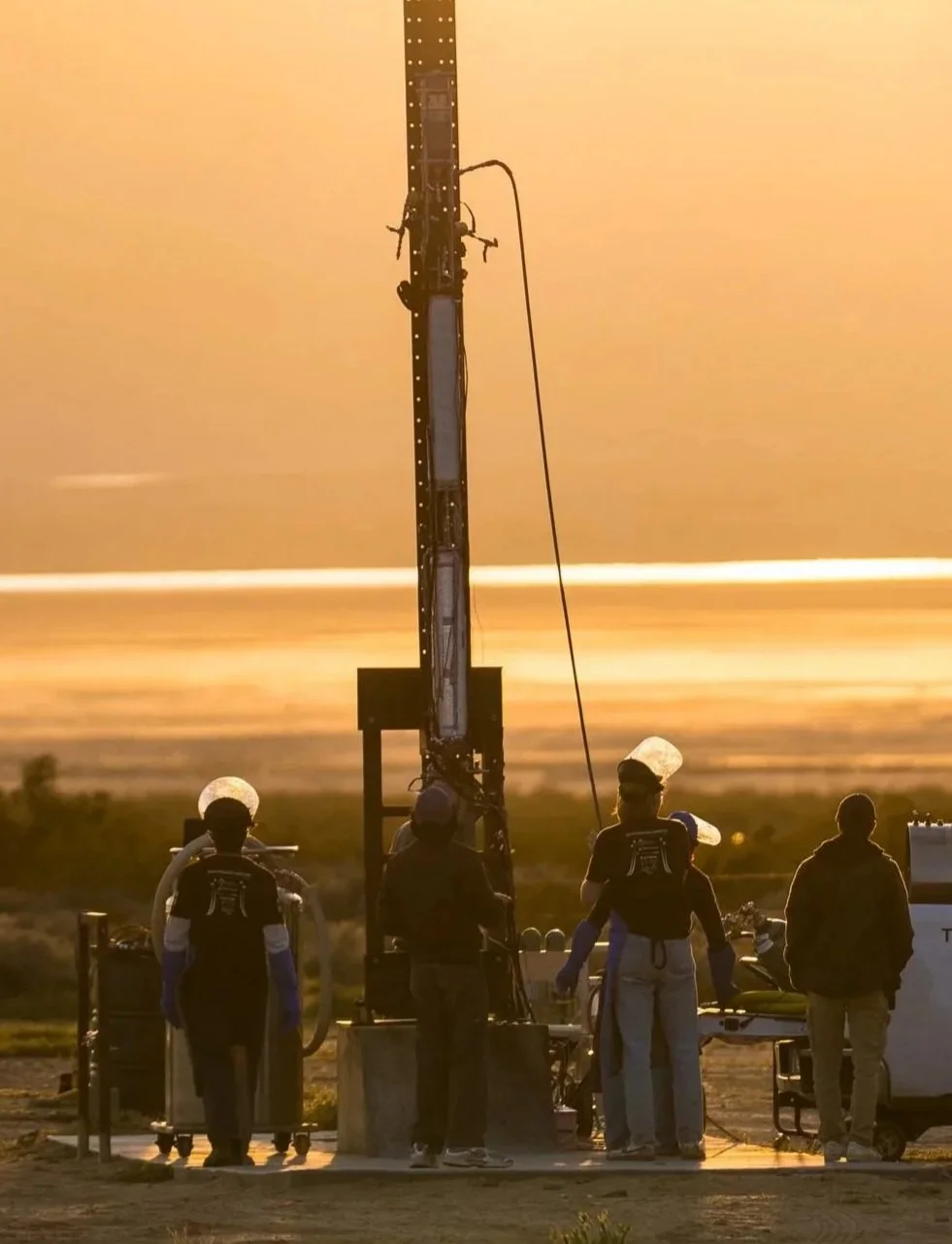
The Phoenix Fluids Systems subteam is responsible for safely and efficiently transporting liquid oxygen and liquid methane from the tanks to the engine at appropriate pressures and mass flow rates. This includes designing, manufacturing, and testing the engine propellant feed system and the tank pressurization system. Fluids Systems is additionally responsible for pad operations during propellant and pressurant fill for cold flows, static fires, and launch.
The engine propellant feed system incorporates a variety of fittings, valves, and sensors to accommodate filling the tanks and feeding the engine. Because Phoenix utilizes a pressure-fed engine design, the tank pressurization system must regulate high-pressure gaseous nitrogen (~4000 psig) down to the tank operating pressures (~600 psig) to maximize combustion performance.
Fluids Systems Conducting Propellant Fill Operations During Static Fire
Propulsion
The propulsion subteam is responsible for the design, development, and testing of RPL’s liquid bipropellant engines.
Currently powering Phoenix is Fawkes. For this engine, the propulsion subteam developed the design of an Inconel steel additively manufactured propellant injector. The propellant is then combusted in a student-designed thrust chamber assembly and accelerated to supersonic speeds.
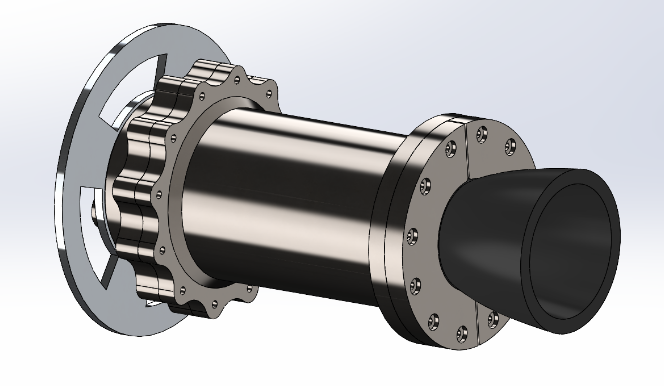
The propulsion subteam is currently developing RPL’s next liquid propellant engine and a test stand to facilitate more frequent engine hot fires.
RPL’s Next Liquid Engine
Avionics
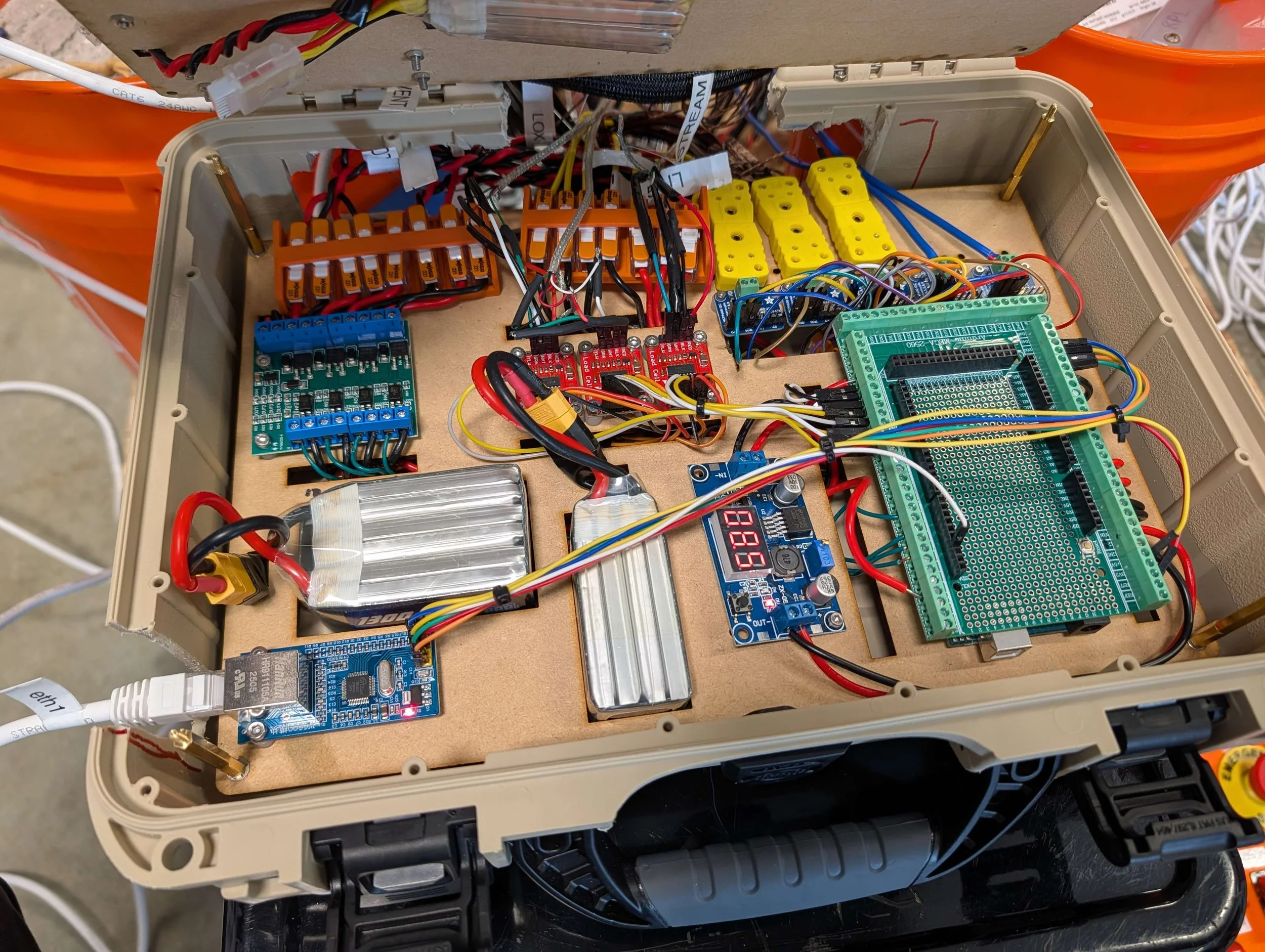
The avionics subteam is responsible for the Phoenix’s flight computer, its ground station, and the communication between the two. These electronic systems are necessary for data acquisition, valve actuation, and recovery deployment.
To facilitate live data readings and post-processing of data after system tests, the avionics subteam is developing RPL-BLAST, a custom GUI to process data from every sensor on Phoenix.
Avionics Ground Station for Static Fire